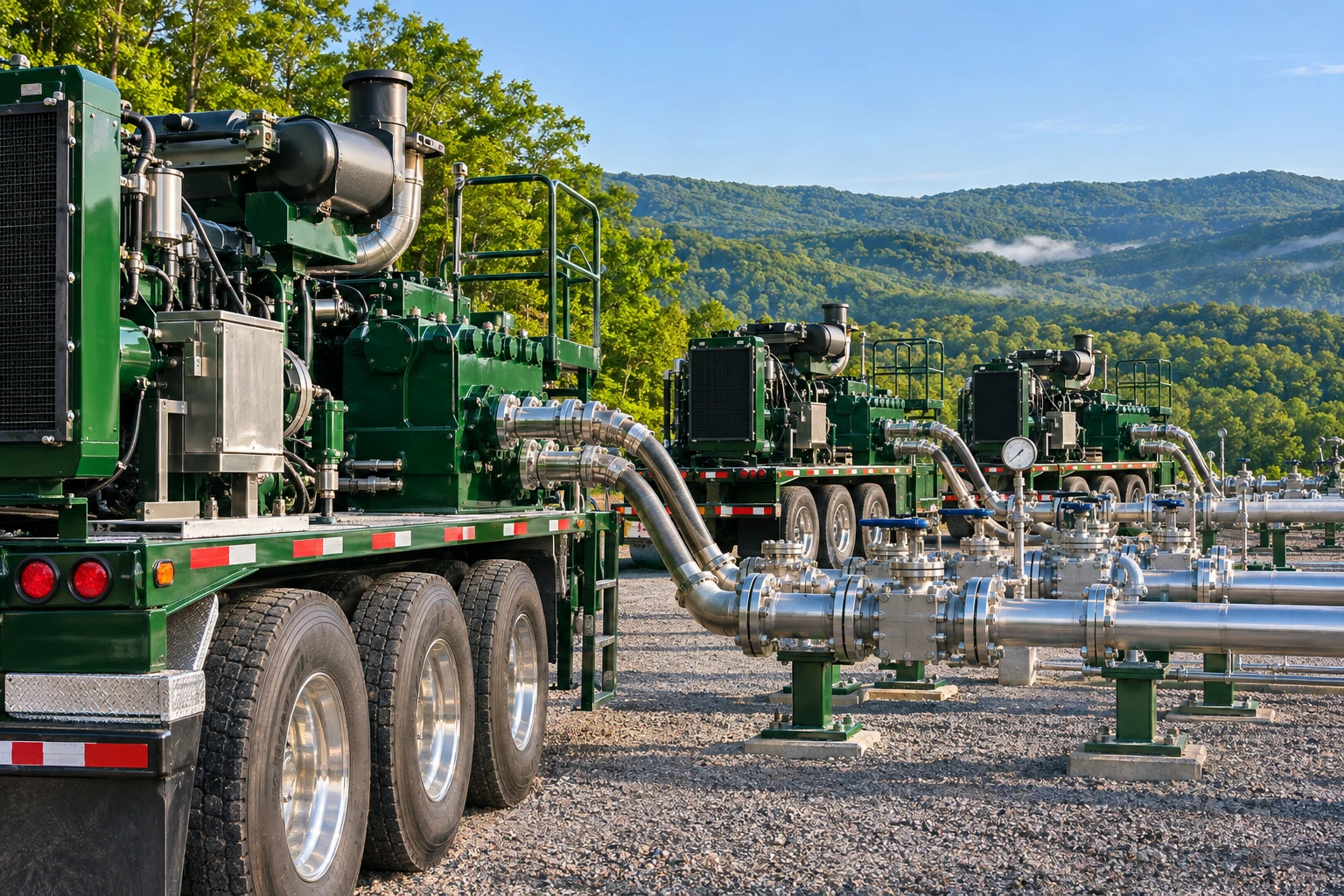
Pad2Pad supplies stimulation and production chemistry from Morgantown, West Virginia. We help connect the product selection, water source, and delivery plan so the chemical program fits the work in the field.
Start with the job and the water.
Friction reduction, scale control, corrosion inhibition, and fluid compatibility serve different purposes. A useful starting point is the treatment objective: what the chemical needs to do, where it will be applied, and what conditions it will encounter.
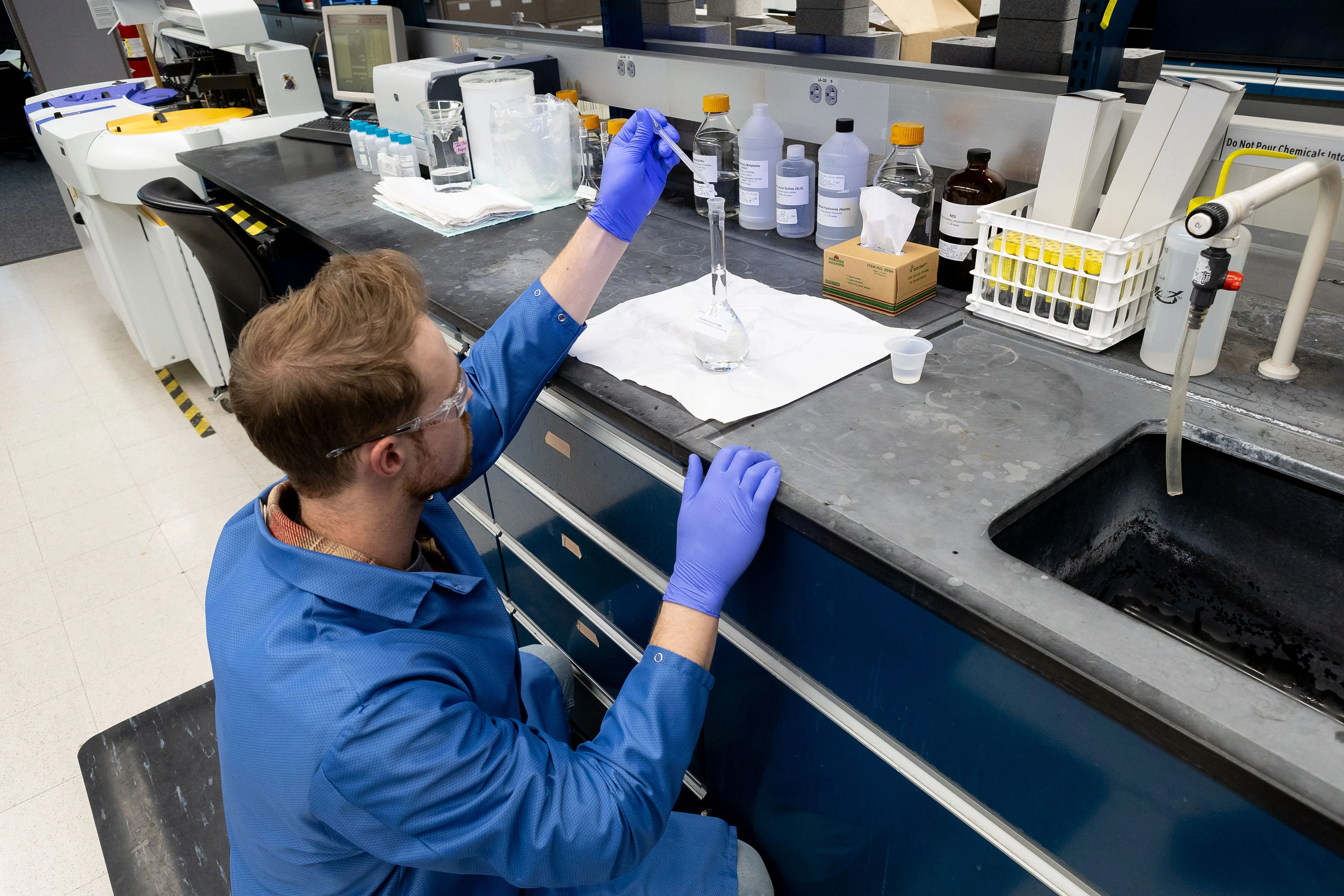
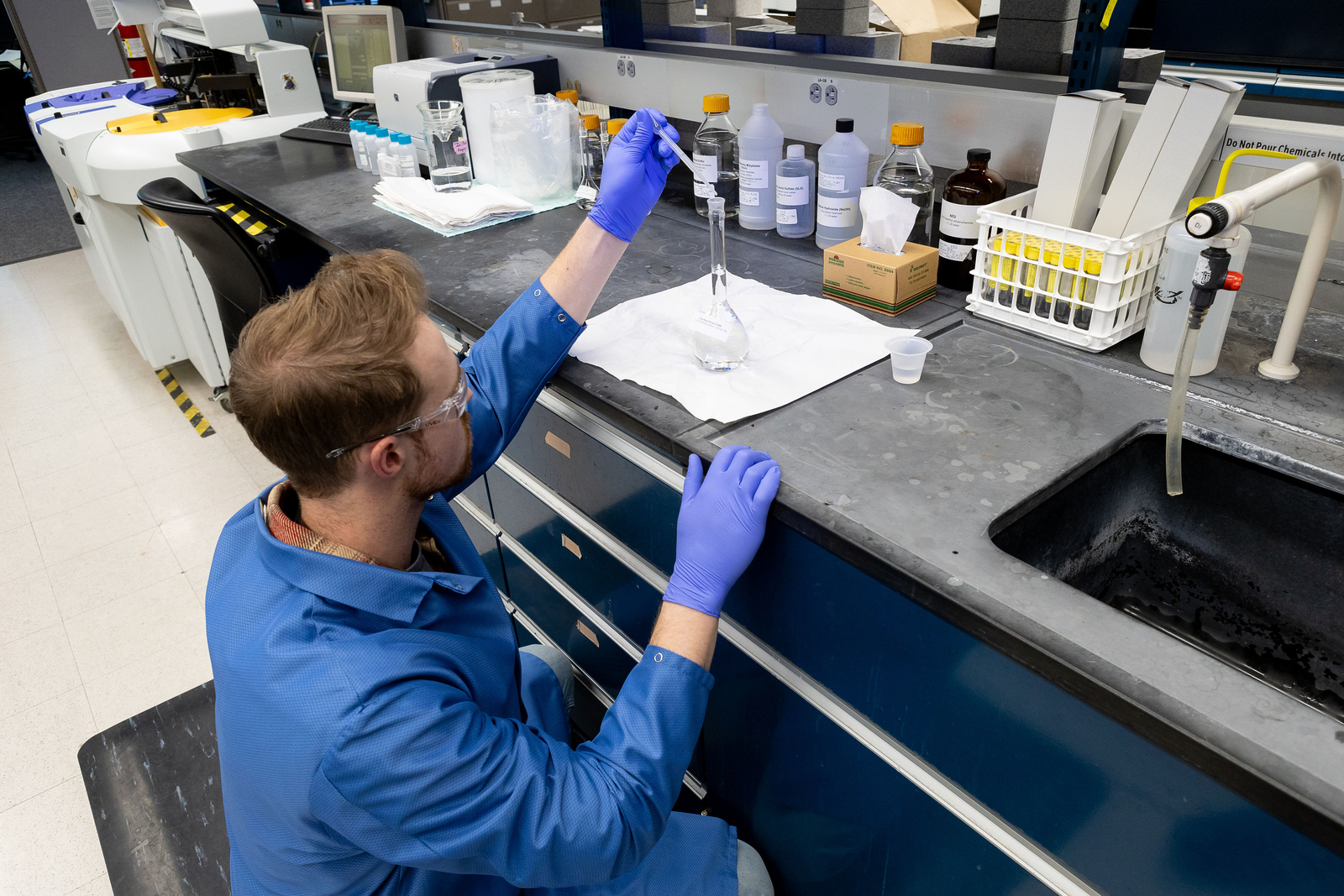
Bring the water source and available analysis into that discussion. Fresh water, brine, flowback, and produced water can call for different product choices. The other additives in the planned fluid also belong in the review.
A product range for stimulation and production.
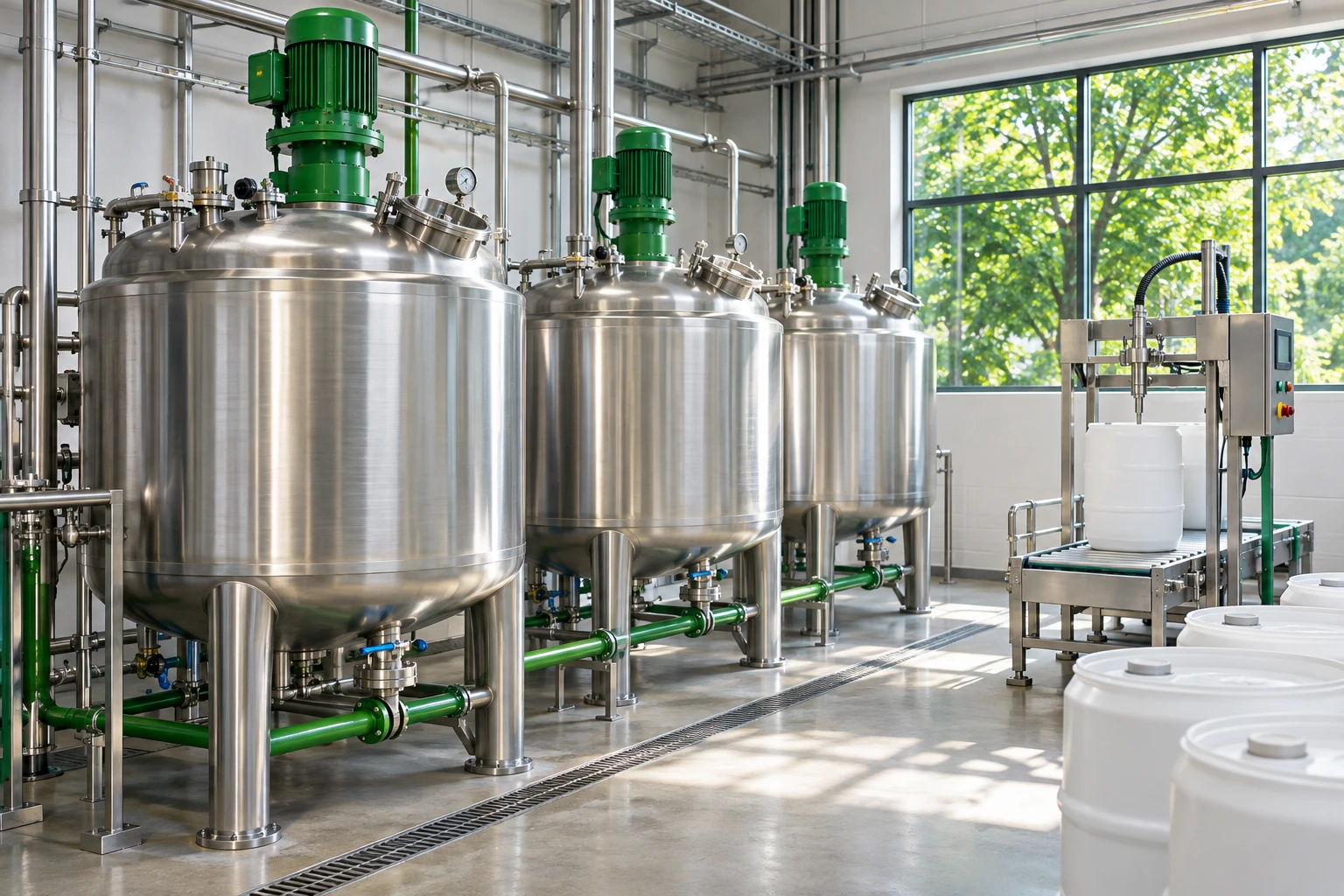
The TruSlick range includes anionic and cationic friction reducers. TruSlick A and TruSlick 19A address anionic applications, while TruSlick C provides a cationic option. Selection should follow the water profile, treatment objective, and compatibility requirements.
The wider range includes SI 820 for scale control, TruCorr 9807 for corrosion inhibition, TruPipe 100 for lubricity, and TruSurf 64 for non-emulsification. Product sheets describe the individual applications and typical properties; they should be read in the context of the intended job.
Connect selection with the field schedule.
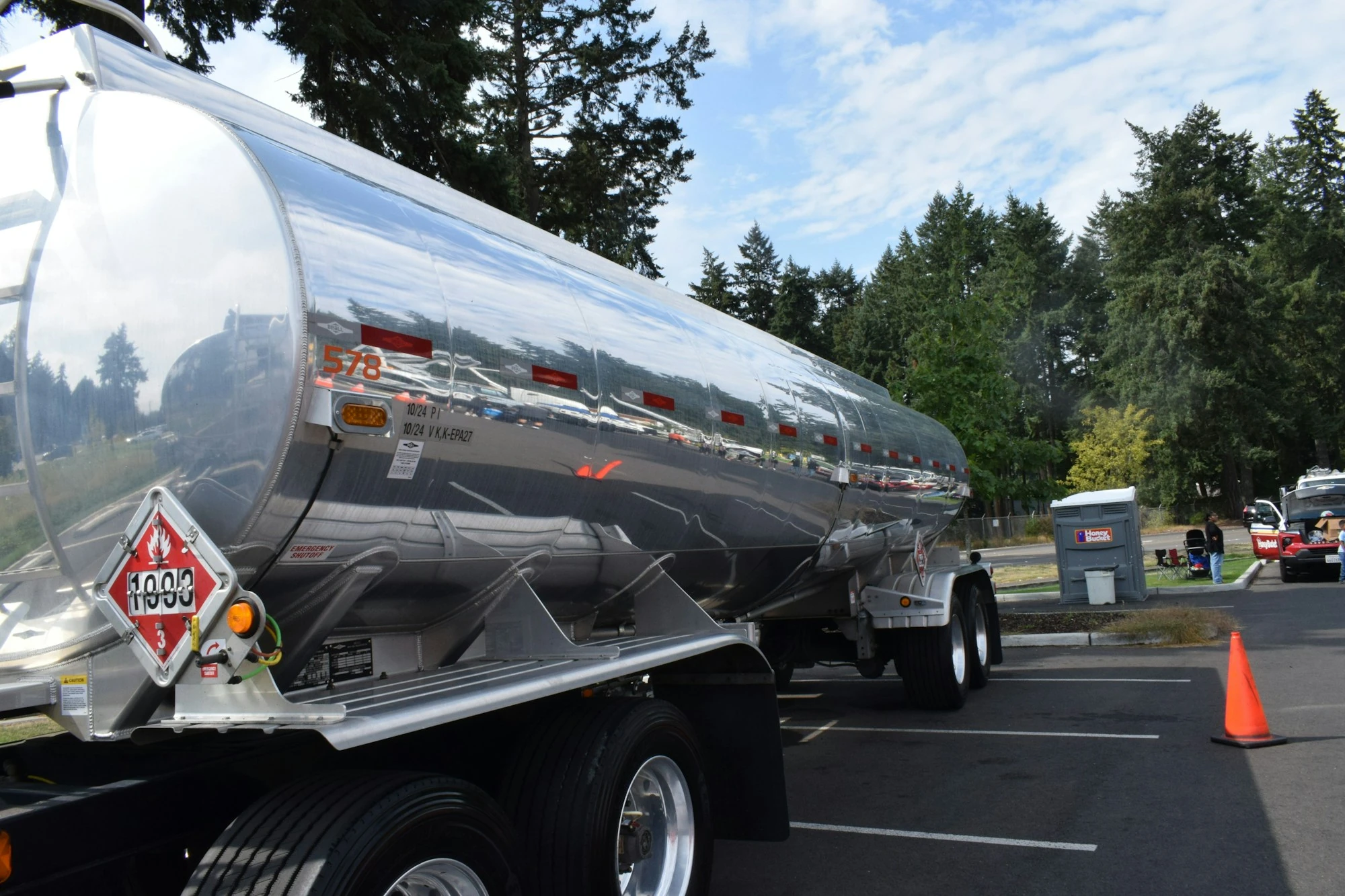
Chemical supply is only one part of the plan. Confirm the required volume, delivery point, storage arrangements, and job timing before the material is needed. Pad2Pad brings bulk logistics and water testing into the same conversation.
For a program review, share the current product package and any changes in the water or operating conditions. This helps the team identify which information is available and what still needs to be checked.
- Application and treatment objective
- Water source and available test results
- Current additives and compatibility questions
- Required quantity, delivery location, and schedule
Keep the product information close to the job.
Use the data sheets below to compare product descriptions and typical properties. Confirm the product, application requirements, and current safety information with the team before use. Where a field question depends on the water, water-quality testing can provide the next piece of the review.
Product information.
TruSlick A Friction Reducer · Anionic Emulsion
A high-molecular-weight anionic polyacrylamide emulsion used in slickwater frac work. It is made for strong friction reduction, steady handling, and consistent performance on heavy-sand jobs.
TruSlick C Friction Reducer · Cationic Emulsion
A cationic friction reducer for jobs where an anionic product is not the right fit, including clay-sensitive formations and produced-water makeup.
TruSlick 19A Friction Reducer · High-Rate Anionic
An anionic friction reducer for deep wells, higher injection rates, and extended laterals. It helps reduce friction pressure so crews can keep rates and proppant placement on target.
SI 820 Scale Inhibitor · Deposit Control
A polymer-based scale inhibitor for calcium carbonate and barium sulfate control. Built for high-temperature, high-iron, and recycled-water conditions.
TruCorr 9807 Corrosion Inhibitor · Flow Systems
A corrosion inhibitor for tough water systems with high TDS, high iron, and heavy scaling potential. Used to protect pipelines, flowlines, and downhole equipment.
TruPipe 100 Specialty · Pipe-on-Pipe Lubricant
A non-petroleum pipe lubricant made from natural-oil extract. It bonds to metal surfaces to reduce torque and drag in extended-reach laterals and coiled-tubing work.
TruSurf 64 Specialty · Surfactant / Non-Emulsifier
A nonionic surfactant package for acid jobs and fracturing fluids. It helps prevent emulsion problems, supports cleaner breaks, and is useful with crudes that tend to sludge.
Discuss your chemical program.
Tell us about the water, the application, and the next job on your schedule.